Strength & glutes · After 40
Glute amnesia & building muscle after 40
What sitting, progressive strength training and nutrition really mean for stronger glutes after 40 — with practical guidance from Georgina Kiss.
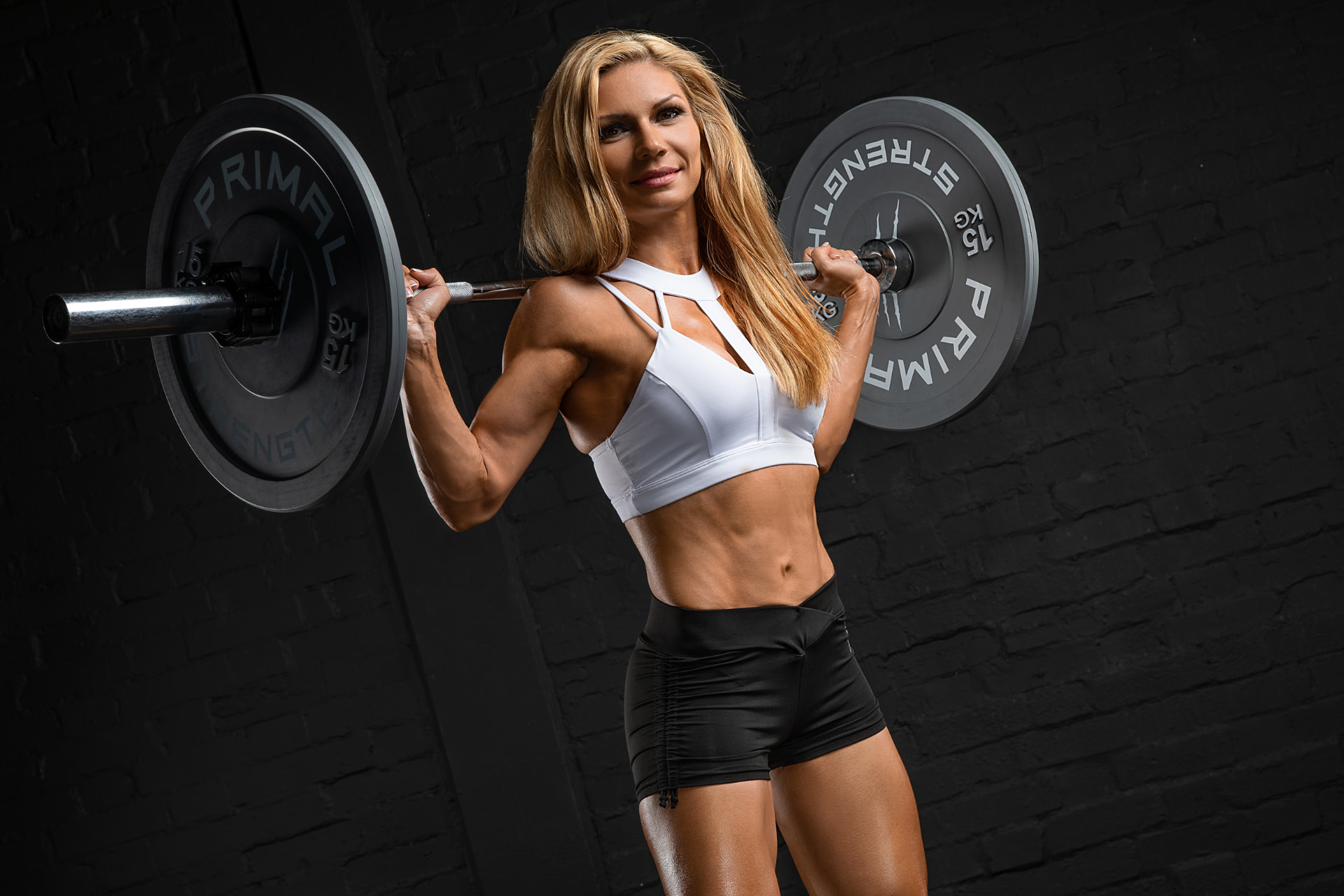
By Georgina Kiss · UKBFF competitor
The bottom line
Your glutes have not forgotten how to work. Build strength with consistent, progressively challenging training, enough food and protein, and time to recover. Heavy weights are one useful tool — not the only route to muscle growth.
What is “glute amnesia”, really?
“Glute amnesia” is an informal fitness term, not a medical diagnosis. It describes the feeling that your glutes are not contributing as you expect during movement. Sitting does not literally switch off your muscles or prove that their neural connection has been lost.
Long hours at a desk can leave you feeling stiff and mean fewer opportunities to move. Break up sitting with short walks and comfortable movement. A glute squeeze is not a diagnostic test; difficulty feeling a muscle does not, by itself, tell you what is wrong.
Pain is not a test of your glutes
Your glutes contribute to hip movement and stability, but back and knee pain have many possible causes. You cannot conclude that weak glutes, pelvic tilt or a “flat” physique are the cause from appearance alone.
If pain persists, worsens or affects daily life, get advice from a qualified clinician or physiotherapist before loading through it. Sudden severe symptoms, new weakness or bladder/bowel changes need urgent assessment. Training should support your health, not replace a diagnosis.
Mechanical tension, not the dumbbell colour
Muscles adapt when resistance training gives them a sufficiently challenging stimulus. Research comparing lighter and heavier loads finds that both can build muscle when sets are performed with high effort; heavier loads tend to offer greater gains in maximal strength. Much of this research is not specific to women over 40.
A set of 6–12 controlled repetitions is a practical starting range, not a magic hypertrophy zone. Higher repetitions can also work. Choose a load you can control and finish with a few good repetitions still possible; you do not need to chase failure or sacrifice technique on every set.
Bodyweight bridges and lighter exercises can be useful for beginners and warm-ups. As they become easy, add resistance, repetitions or a more demanding variation. There is no guaranteed 12-week transformation — progress depends on your starting point, consistency and recovery.
After 40 is not too late
Midlife is not a deadline for building muscle. Ageing and the menopause transition can change recovery, sleep and body composition, but individual experiences vary. Resistance training can help postmenopausal and older women develop muscle; being over 40 does not mean that only very heavy lifting will work.
Start where you are. Learn comfortable technique, build gradually and adjust the workload when sleep, stress or symptoms affect recovery. Aim for a sustainable routine rather than copying someone else's heaviest session.
Feed the work you are doing
Strength training and nutrition work together. Include a protein source in your meals — for example eggs, yoghurt, fish, lean meat, tofu, beans or lentils — alongside varied foods and enough energy to support training.
Protein guidance for older adults supports paying attention to intake, but older-adult recommendations are not automatically a personalised target for every woman in her forties. Your needs depend on body size, activity and health. Ask a qualified professional about dietary changes if you have kidney disease or other medical restrictions.
Fat loss and muscle gain are not always mutually exclusive, especially for beginners, but a large calorie deficit can make performance and recovery harder. Match your food intake to your priority rather than assuming less food always means better results.
Put it into practice
The GinaKiss protocol
A starting framework, not an individual prescription. Adapt the exercises and workload to your experience and health.
Make room for two sessions
A practical starting point is two non-consecutive strength sessions each week. Include glute work within a balanced routine; you do not need four dedicated glute days to begin.
Cover the movement patterns
Combine a squat or lunge, a hip hinge and a bridge or hip thrust. Pick variations suited to your experience, equipment and comfortable range of motion.
Keep the last reps honest
Begin with a manageable number of controlled sets. A 6–12 rep range can be useful; lighter, higher-rep work can also challenge the muscle. Stop before technique breaks down.
Earn the next step
When your planned repetitions feel controlled, add a small amount of load, an extra repetition or a harder variation. Record what you did so progress is deliberate.
Recover, then repeat
Leave recovery time between hard sessions, prioritise sleep and eat consistently. Persistent pain is a reason to seek advice, not a badge of effort.
Your questions, answered
Can I build glute muscle after 40?
Yes. Resistance-training studies in postmenopausal and older women show that muscle can still respond to training. Your progress will depend on the programme, nutrition, recovery and individual health — not a birthday cutoff.
Do I have to lift heavy weights?
No. Both lighter and heavier resistance can build muscle when the exercise is sufficiently challenging. Heavier lifting is useful for strength, but load should suit your ability and technique.
Will lifting make me bulky?
Muscle growth is gradual and varies between people. Resistance training does not suddenly create a particular body shape. Adjust your programme to the strength and physique goals you actually want.
How often should I train my glutes?
Two non-consecutive sessions are a sensible starting point within a balanced strength routine. The right frequency depends on total workload and recovery; more sessions are not automatically better.
Sources & further reading
These sources inform the general guidance above. They are not studies of the GinaKiss programme and do not guarantee individual results.
- Resistance training loads and muscle growth
Schoenfeld et al. · Systematic review and meta-analysis · 2017
- Resistance training in postmenopausal and older women
Systematic review secondary analysis · 2024
- Protein and muscle health in older adults
PROT-AGE Study Group · Position paper · 2013
- Physical activity and less sedentary time
World Health Organization · Physical activity guidance
- Back pain: causes and when to seek help
NHS · Patient guidance
Educational fitness guidance only. This article does not diagnose or treat a medical condition. Seek qualified advice for persistent pain or before starting training if you have health concerns.
Your next step
Build strength with The Peach Lab
Focused glute training, saved sessions and progress at your pace — alongside your coaching journey.